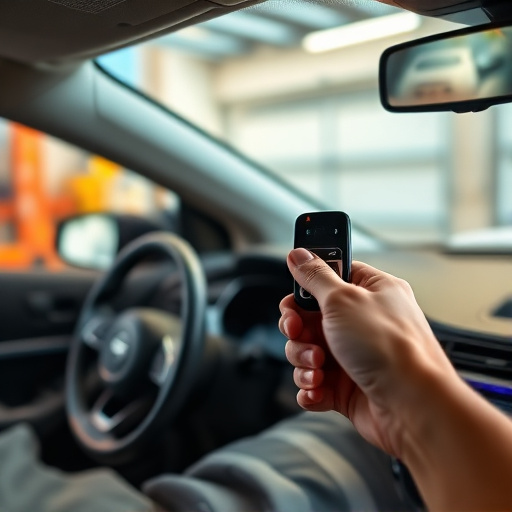
In today's modern homes, garage door openers are a critical component of both security and daily routine. However, these complex mechanisms can encounter a variety of issues, from a remote that stops working to a safety sensor that's out of alignment. A wall-mount jackshaft opener, a popular choice for many Tucson homeowners, may exhibit problems like a humming but non-responsive motor or a sensor that's not detecting the car's HomeLink signal. This troubleshooting guide will walk you through common problems with remotes, keypads, and safety sensors, and equip you to identify when it's time to replace your garage door opener, such as when the unit is showing signs of age or has reached the end of its lifespan. By the end, you'll have a better understanding of the components that make your garage door system run smoothly and the expert advice to keep it that way.
- Identifying Common Remote, Keypad, and Sensor Issues
- Troubleshooting Steps for Wall Mount Jackshaft Openers
- Safety Sensor Calibration and Maintenance Tips
Identifying Common Remote, Keypad, and Sensor Issues
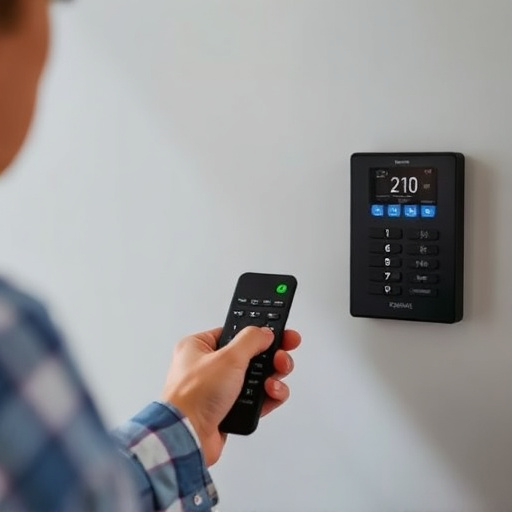
Remote, keypad, and safety sensor issues are common problems that can disrupt your daily routine and, if left unattended, lead to more serious garage door problems. These components are integral to the operation of your garage door system, and understanding common issues can help you troubleshoot and potentially save on repair costs. A family-run Tucson garage door business often encounters these problems, especially with wall mount jackshaft openers, which are known for their reliability and durability.
One of the most frequent issues is a remote that no longer works. This could be due to a faulty signal, a dead battery, or a damaged transmitter. If you're using a LiftMaster opener, check the battery and ensure the remote is within range. For older models, inspecting the logic board for any signs of damage or corrosion can be beneficial. Remotes can sometimes become misaligned, leading to inconsistent operation. Reprogramming the remote or replacing the transmitter can resolve these issues.
Keypads are another critical component that can malfunction. A keypad not responding could be caused by a loose connection, a faulty board, or an outdated battery. Most keypads have a battery compartment that requires regular attention. If the keypad is integrated with your home's security system, consult a professional for diagnostic and repair services. Wall mount jackshaft openers, especially when equipped with advanced features, can also suffer from sensor problems. Safety sensors ensure the door closes correctly and prevent accidents. Issues like sensor misalignment or a malfunctioning light can be resolved with careful sensor alignment and, in severe cases, replacing the sensor.
When dealing with these issues, remember that a well-maintained garage door system is key. Regular cleaning, lubrication, and inspections can prevent many common problems. A stripped opener gear or a logic board failure often result from neglect rather than age. If you're dealing with a chain drive opener, ensure the chain is lubricated and properly adjusted to avoid unnecessary wear. In the case of an older wall mount jackshaft opener, considering a replacement might be more cost-effective than frequent repairs. Always consult a licensed local garage door contractor for expert advice and assistance.
Troubleshooting Steps for Wall Mount Jackshaft Openers
For garage door openers, issues with remotes, keypads, and safety sensors can cause significant frustration. This is especially true for wall mount jackshaft openers, which are a popular choice for many residential properties. If you're experiencing problems with these components, follow these troubleshooting steps to identify and resolve the issue.
For wall mount jackshaft openers, start by checking the power supply. Ensure the opener is plugged in and the circuit breaker hasn't tripped. Many openers also come with a battery backup system, which should be tested to confirm it's functioning. A common problem with these units is a failing logic board. The logic board controls the opener's operation, so any malfunction here can cause remotes, keypads, and safety sensors to stop working. Inspect the board for any signs of damage or corrosion and replace it if necessary.
Another frequent issue involves safety sensors. These devices ensure the garage door opens and closes safely by detecting objects in its path. If the sensors aren't aligned properly, the door may not operate correctly. Check the sensor's positioning and adjust it if needed, following the manufacturer's guidelines. The National Fire Protection Association (NFPA) provides standards for garage door safety, which should be referenced when making adjustments. If the problem persists, consider consulting a Tucson garage door specialist for expert advice.
In the case of Genie or Chamberlain openers, both known for their durability, the average lifespan is around 10-15 years with proper care. However, components like the chain (for chain vs. Belt openers) or the motor can fail before the overall unit does. Regular maintenance, including lubricating the chain and replacing worn parts, can extend the opener's life. If you're dealing with a noisy opener, this may indicate worn-out components that require attention. A stripped opener gear can cause a humming sound but prevent the door from moving. Repairs or replacement parts can be sourced from local door and opener retailers, ensuring your wall mount jackshaft opener continues to function reliably.
Safety Sensor Calibration and Maintenance Tips
Safety Sensor Calibration and Maintenance: Keeping Your Wall Mount Jackshaft Openers Reliable
Safety sensors, part of your wall mount jackshaft opener system, play a crucial role in the secure operation of your garage door. These sensors detect obstacles and prevent the door from closing on people or objects, ensuring your family's safety. Regular calibration and maintenance are essential to keep these safety features functioning optimally. Here's a detailed guide to help you understand and address common issues with your garage door's safety sensors.
Identifying Sensor Problems: One of the most frequent issues is sensor misalignment, which occurs when the sensors are not properly positioned to detect an obstacle. This can happen due to minor adjustments during installation, changes in the door's balance, or even minor debris buildup. If your garage door opener hums but won't move, or you hear clicking sounds when the door is closing, these could be signs of misaligned sensors. A sensor might be too close to a fixed object, causing it to register false readings.
Calibration and Adjustment: Calibration involves ensuring the sensors are aligned correctly and responding accurately to potential obstacles. Here's how to approach it:
- Visual Inspection: Begin by inspecting the sensors for any visible debris, corrosion, or damage. Clean the sensors gently with a soft cloth or brush if necessary.
- Sensor Alignment: Ensure the sensors are parallel to the ground and positioned equidistant from any fixed objects in the door's path. Adjust the mounting brackets if needed, following the manufacturer's guidelines. For wall mount jackshaft openers, this process might vary slightly depending on the model, so refer to the specific owner's manual.
- Test Operation: After adjustments, test the door's operation to confirm the sensors are functioning correctly. Open and close the door to ensure smooth, safe operation.
Common Issues and Solutions:
- Sensor Light Not Working: If the sensor light isn't illuminating, check the power supply to the sensor. Verify that the sensor is receiving power and that the wiring is secure.
- Opener Logic Board Failure: In some cases, the logic board, which controls the sensor's operation, might fail. This can result in sensors not responding at all. If you suspect this issue, consult a local Tucson garage door technician for a professional diagnosis.
- Gear Kit Wear: Over time, the gear kit within the opener can wear out, affecting sensor performance. Regular maintenance, including lubrication and part checks, can prevent premature failure. A worn gear kit might cause sensors to become less sensitive, leading to safety concerns.
Remember, proper calibration and regular maintenance can significantly extend the lifespan of your wall mount jackshaft opener and its safety sensors.
Frequently Asked Questions About a Troubleshooting Guide for Remotes, Keypads, and Safety Sensors
What are the most common reasons a remote, keypad, or safety sensor stops working?
Many factors can contribute to the failure of these components. Battery drain is often the culprit, especially with remotes. Age and wear can degrade internal wiring and mechanisms. Environmental factors like moisture, dust, or extreme temperatures can also cause damage. For keypads and safety sensors, issues may arise from faulty connections, loose wiring, or incorrect programming. Regular maintenance, keeping them dry, and checking connections can significantly prolong their lifespan.
How do I know if it's a hardware or software issue with these devices?
The nature of the problem can provide clues. If the device fails to respond to any input, it might be a hardware issue, possibly involving faulty circuitry or a bad connection. Software problems typically manifest as intermittent or partial functionality, like a remote that occasionally fails to open a door or a keypad with missing buttons. Testing with a known-good battery and checking for loose connections can help distinguish between the two.
Can I replace individual parts, or do I need to replace the entire device?
In many cases, replacing individual parts is feasible, especially for keypads and safety sensors. Remotes might be more challenging, as some models require specialized programming to pair with a new unit. Consulting a professional or the manufacturer's guidelines can help determine the best course of action. Sometimes, a simple battery change or cleaning can resolve the issue, while other times a complete replacement is necessary.
What should I do if a remote no longer connects to the control panel?
Start by checking the batteries in both the remote and the control panel. Ensure the transmission path is clear of obstructions. If the remote is old, consider updating to a newer model, as compatibility issues can occur with older units. Resetting the control panel or re-programming the remote might also be helpful. If these steps fail, contact a professional for advanced troubleshooting.
How can I extend the lifespan of these devices?
Regular maintenance is key. Keep them clean, especially in dusty environments, and check for loose connections. Protect them from extreme temperatures and water damage. For keypads and safety sensors, ensure proper wiring and grounding. Replace batteries as soon as they show signs of weakness. A well-maintained system will generally have a longer lifespan, reducing the need for frequent replacements.
As your trusted guide through the complex world of garage door openers, we've illuminated the path to troubleshooting common issues, focusing specifically on wall mount jackshaft openers. By understanding the signs that indicate the need for a new opener-such as a remote that's stopped working or a safety sensor that's misaligned-you can extend the lifespan of your current system.
Safety sensors and keypads are the guardrails of your garage door operation, and regular calibration and maintenance ensure they function optimally. Knowing the difference between chain and belt openers, as well as the benefits of smart garage door openers, can empower you to make informed decisions.
Practical next steps include checking your opener's limit and force settings, reprogramming remotes, and ensuring your system is compatible with your home's Wi-Fi network. For heavy doors, consider openers designed to handle the extra weight, and remember that replacing an old opener can significantly improve energy efficiency.
By following these insights, you're well-equipped to maintain and optimize your garage door opener system, ensuring it operates safely, smoothly, and reliably-all while potentially saving you on costly repairs or premature replacements.
Garage Door Opener Troubleshooting: Wall Mount Jackshaft Focus
Common issues with remotes, keypads, and safety sensors in wall mount jackshaft openers can be addressed through:
- Remote/Keypad Check: Battery, logic board damage, or misalignment can cause problems. Reprogramming or replacement may be needed.
- Safety Sensor Calibration: Misalignment often requires adjustments to the sensors' position. Regular calibration ensures safe operation.
- Opener Maintenance: Lubrication, part checks, and power supply verification prevent gear kit wear and logic board failures.
- Consult Professionals: For complex issues, a Tucson garage door specialist can provide expert advice.
Proper care extends the life of wall mount jackshaft openers, enhancing safety and reliability.