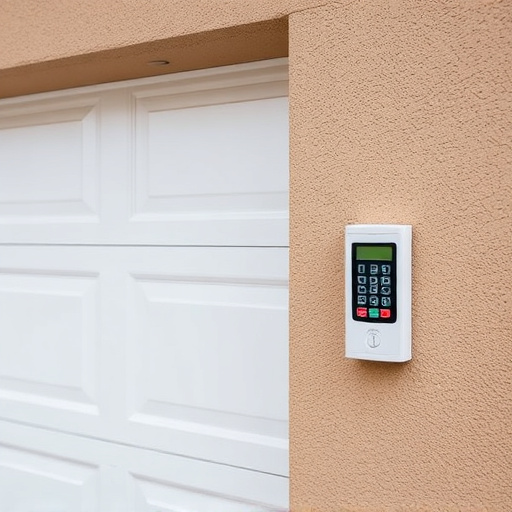
As Tucson homeowners, we rely on our garage door openers every day to safely and efficiently access our properties. The average garage door opener lasts about 10,000 cycles, or roughly 7 to 10 years, but their lifespan can vary greatly depending on factors like usage, quality, and maintenance.
When your opener starts to hum but won't move, it's a clear sign that something's wrong. This issue can be frustrating and even dangerous, especially if it leaves your garage door stuck open or closed. This guide is designed to help you navigate garage door opener repair and replacement in Tucson, providing expert insights on troubleshooting common problems, understanding advanced features, and ensuring safe, efficient, and secure access to your home.
- Diagnosing Garage Door Opener Hum: Common Causes
- Troubleshooting: Opener Won't Move, No Hum
- Replacing Your Tucson Garage Door Opener: Step-by-Step
Diagnosing Garage Door Opener Hum: Common Causes
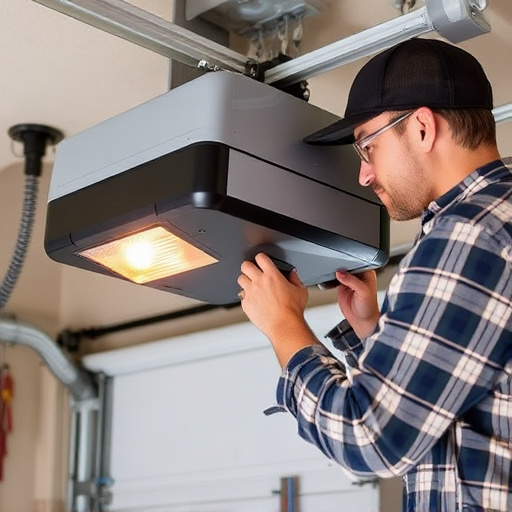
Garage door openers humming but refusing to move can be a common, yet frustrating issue for Tucson homeowners. This sound, often described as a low groan or whine, could signal a variety of problems, ranging from a simple sensor misalignment to more complex issues like a stripped gear or logic board failure. Before considering a replacement, it's crucial to diagnose the root cause.
One common culprit behind an opener humming without movement is a misaligned safety sensor. These sensors are located on each side of the garage door opening, ensuring the door stops at the right place. Over time, or due to a minor collision, these sensors can become misaligned, causing the opener to malfunction. If a sensor is slightly out of place, the opener might detect a 'virtual' obstacle, leading to a humming noise as it tries to stop, but ultimately fails to move the door. A simple sensor realignment using a shop light or laser can often resolve this issue.
Another possibility is a worn-out gear kit, especially in older openers or those with heavy use. Over the average lifespan of a residential garage door opener, which ranges between 10,000 to 15,000 cycles, the gears can weaken or break. If you hear a humming noise but the door won't budge, a stripped or damaged gear could be the culprit. An experienced Tucson garage door installer recommends inspecting the gear kit for any signs of wear and considering replacement if necessary.
In more advanced cases, the problem might lie with the jackshaft, a mechanical component that helps lift the door. A jackshaft issue can cause the opener to hum but not move the door. This could be due to wear, loose connections, or a malfunctioning motor. If the humming persists and the door remains stationary, it's advisable to consult a local garage door specialist who can thoroughly diagnose and fix the problem, ensuring your safety and the smooth operation of your garage door system.
Troubleshooting: Opener Won't Move, No Hum
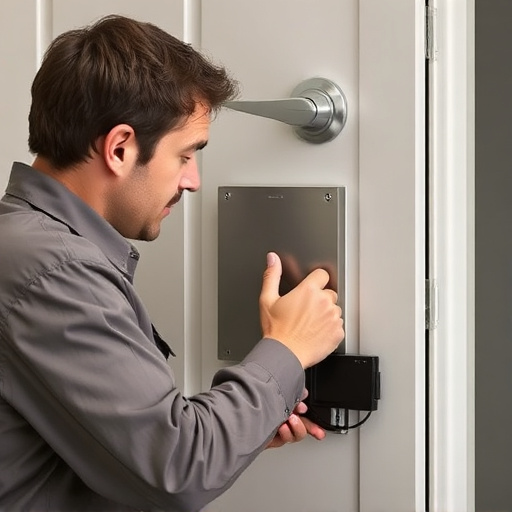
If your garage door opener won't move and it's not due to a power outage or a simple remote glitch, the problem could lie within the opener's logic board. A local Tucson garage door technician recommends checking for signs of damage, corrosion, or loose connections. These issues can cause the opener to hum but remain stationary. It's also crucial to verify the safety sensors' alignment, as misaligned sensors can prevent the door from closing or opening.
A common culprit could be a stripped gear, which might require a replacement. If the opener is older, the logic board might have failed, especially if you've noticed issues like a remote that's not working or a keypad that won't respond. In such cases, it might be more economical to replace the entire unit. Modern openers, often featuring smart home integration, can also be affected by software glitches, which can sometimes be remedied with a reset or a reprogramming of your car's HomeLink.
If you're dealing with a stubborn opener hum that won't move, consider the following steps: First, inspect the trolley for any debris or obstructions. Next, check the limit and force settings on your opener, ensuring they're within the recommended ranges. These settings, often adjustable via the opener's control panel or a keypad, can significantly impact the door's operation. If you have an older model, it might be wise to consult a professional, as incorrect adjustments can lead to safety issues or further damage, especially for openers designed for heavy doors.
Lastly, don't overlook potential problems with the opener's battery backup. While this feature is designed to keep your door operational during power outages, a faulty battery can cause the opener to fail or operate erratically. Checking and replacing the battery might be a simple fix, but it's another task best handled by a seasoned professional, especially considering the potential safety implications of a malfunctioning garage door system.
Replacing Your Tucson Garage Door Opener: Step-by-Step
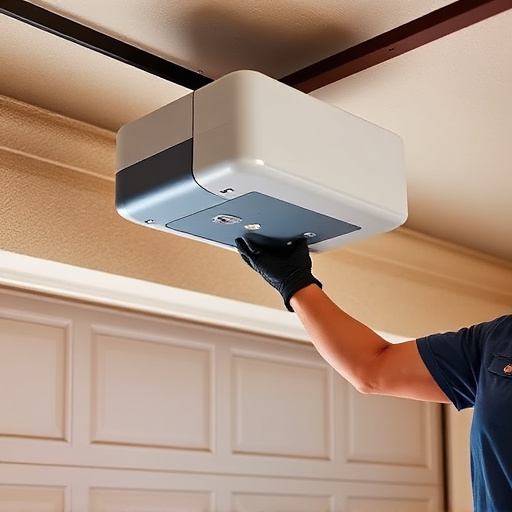
When your Tucson garage door opener hums but won't move, it's often a clear sign that replacement is needed. This step-by-step guide will help you navigate the process, ensuring a safe and effective replacement for your residential garage door opener.
First, assess the age and type of your current opener. On average, a residential garage door opener lasts between 10,000 and 15,000 cycles-approximately 7 to 10 years. In Oro Valley, where local building codes and energy efficiency standards can vary, understanding the average lifespan is crucial. If your opener is older than a decade, especially in a climate like Tucson's, wear and tear may be to blame. Belt drive openers, common in residential settings, tend to be quieter and more energy-efficient than chain drive models, but both require periodic maintenance and eventual replacement.
For a smooth replacement, start by unplugging the opener and disconnecting any attached power sources. This step ensures safety during the process. Next, gather the necessary tools, including a new garage door opener suitable for your door's weight and your specific needs. Consider factors like noise reduction, smart home integration, and backup power options. A licensed Tucson garage door company can offer expert advice on the best model for your situation, taking into account your home's layout, door size, and desired features.
Once you've installed the new opener, test its functionality. Make sure it hums smoothly when activated, raising and lowering the door as expected. Check all sensors, including safety sensors and limit switches, for proper alignment and operation. If your old opener was plagued by a "hum but won't move" issue, replacing it with a modern, well-maintained model should resolve the problem. Remember, regular maintenance, including lubrication and routine checks, can extend the life of your new opener, ensuring it continues to serve your Tucson home for years to come.
Frequently Asked Questions About a Guide for Tucson Homeowners on Garage Door Opener Repair and Replacement
What are the common signs that my garage door opener needs repair or replacement?
Look out for unusual noises, like squeaking or grinding, during operation. Doors that open or close inconsistently, or that stop working altogether, are red flags. Another indicator is excessive vibration, which could suggest worn-out components. If your door opener is older and has never been maintained, it's likely due for a replacement. Regular maintenance can prolong the life of your opener, but significant issues usually require professional repair or a new unit.
How do I know if I can perform garage door opener repair myself, or do I need a professional?
For simple issues like replacing a battery or a light, you may be able to handle it yourself. However, complex repairs, especially involving electrical or mechanical systems, should be left to a licensed professional. They have the expertise and tools to diagnose and fix problems safely. Even minor tasks like lubrication or safety sensor adjustments can be tricky, so unless you're confident in your abilities, it's best to contact Eddies Garage Door Service for expert advice and service.
How long should a garage door opener last?
With proper care and regular maintenance, a garage door opener can last anywhere from 5 to 15 years, depending on the quality of the unit and how often it's used. High-quality openers tend to last longer, but even these will eventually need replacement due to wear and tear.
What factors should I consider when choosing a new garage door opener?
When replacing your garage door opener, consider the door's weight and size, your budget, and energy efficiency. Openers are classified by horse power (hp) - 1/2 hp for lighter doors and 3/4 hp or 1 hp for heavier ones. Also, look for models with silent operation for less noise disturbance. Consider smart features if you're tech-savvy, and don't forget to check for available warranties.
How much does it cost to replace a garage door opener?
The cost varies based on the type of opener, brand, and installation complexity. Basic openers start at around $100, while premium models can cost $500 or more. Installation fees can range from $50 to $200, depending on the difficulty. For a precise estimate, contact a local Tucson garage door specialist like Eddies Garage Door Service for a consultation.
What safety features should my new garage door opener have?
Prioritize safety features like reverse sensors, which stop the door if an obstacle is detected, and emergency stop, which allows you to manually stop the door if it's moving too fast. Some models also offer light sensors for better visibility and auto-close features for enhanced security. Always choose a garage door opener with safety certifications from reputable organizations.
Can I install a new garage door opener myself?
While some DIY enthusiasts may attempt a basic installation, most garage door openers are best installed by a professional. Improper installation can lead to safety hazards, damage to the door or opener, or voiding warranties. A licensed Tucson garage door installer from Eddies Garage Door Service can handle the installation process, ensuring your new opener is properly connected, coded, and operating safely.
As Tucson homeowners, understanding the signs of a failing garage door opener is crucial to prevent unexpected breakdowns. By learning to recognize when your opener hums but won't move, you can take proactive steps to avoid costly repairs or premature replacement. Regular maintenance, such as lubricating the door tracks and testing limit and force settings, can extend the lifespan of your opener. If problems arise, a detailed troubleshooting guide can help identify issues like stripped gears, logic board failures, or sensor misalignments.
When considering a replacement, familiarize yourself with the various types, from chain to belt openers, and their unique features. Smart garage door openers with Wi-Fi connectivity offer added convenience and security. Understanding local building codes, safety standards, and the requirements of your home insurance company is essential for a seamless installation.
Tucson homeowners can take control of their garage door systems by being informed. Regular checks, proactive maintenance, and a basic understanding of opener mechanics empower you to troubleshoot minor issues and make informed decisions when replacing your garage door opener, ensuring a safe, reliable, and efficient garage door system for years to come.
Tucson homeowners often face garage door opener issues characterized by a humming noise without door movement. Common causes include misaligned safety sensors, worn gear kits, jackshaft problems, or logic board failures. Diagnosing the issue is key before replacement. Regular maintenance and checks can prevent or mitigate problems. For persistent "opener hums but won't move" issues, consult a licensed Tucson garage door company for safe, effective replacement.