In the average American household, the garage door opener is one of the most frequently used mechanical systems, yet it's often overlooked until it stops working. Given the critical role it plays in daily life, understanding the signs of a failing opener and knowing how to troubleshoot common issues is essential. From a remote that stops responding to a safety sensor that's out of alignment, these problems can range from inconvenient to dangerous. This guide, tailored for Tucson homeowners, will help you navigate the complexities of garage door opener repair and replacement, with a focus on enhancing the security features that protect your home and family. By the end, you'll be equipped to identify issues, perform simple fixes, and know when to call in a professional, ensuring your garage door operates safely and reliably.
- Identifying Remote, Keypad, and Sensor Issues
- Troubleshooting Common Garage Door Opener Security Problems
- Advanced Diagnostics: Enhancing Opener Security Features
Identifying Remote, Keypad, and Sensor Issues
Identifying Remote, Keypad, and Sensor Issues
Troubleshooting garage door opener issues can seem daunting, but many common problems can be pinpointed by observing specific components. Remotes, keypads, and safety sensors are key elements in the automation of your garage door system. Each component has its own set of potential problems. A remote not responding could be due to a dead battery, a signal obstruction, or a programming issue. The age of the unit might also play a role, as older remotes may not be compatible with newer openers.
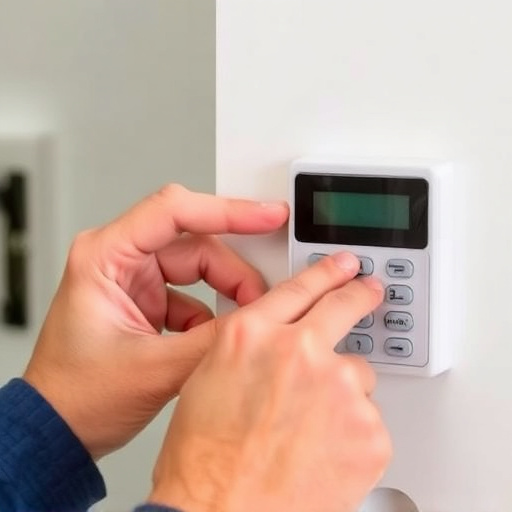
Keypads, acting as the primary control panel for your garage door, can exhibit issues such as unresponsive buttons, incorrect code entry, or even a lack of power. These problems might stem from a faulty power supply, a loose connection, or a keypad model that's incompatible with your opener. Battery backup systems, a critical feature for ensuring continuous operation during power outages, should be checked regularly. A belt drive opener, for instance, may require battery backup to maintain its performance and safety features.
Safety sensors, responsible for detecting obstacles and preventing the door from closing on people or objects, can malfunction due to dirt or debris, a power surge, or age-related wear. Regular cleaning and inspections are vital. If a sensor is misaligned, the door may not close properly or may not open at all. Proper sensor alignment is crucial for the reliable operation of your garage door system, especially when using modern openers with advanced safety features.
When addressing these issues, remember that the security features of your garage door opener play a significant role in maintaining the overall safety of your home. Modern openers may come with features like HomeLink, which allows for the seamless programming of your vehicle's remote. Regular maintenance and timely repairs, guided by a licensed professional like Eddie's Garage Door Service, can ensure your garage door system continues to operate smoothly and securely.
Troubleshooting Common Garage Door Opener Security Problems
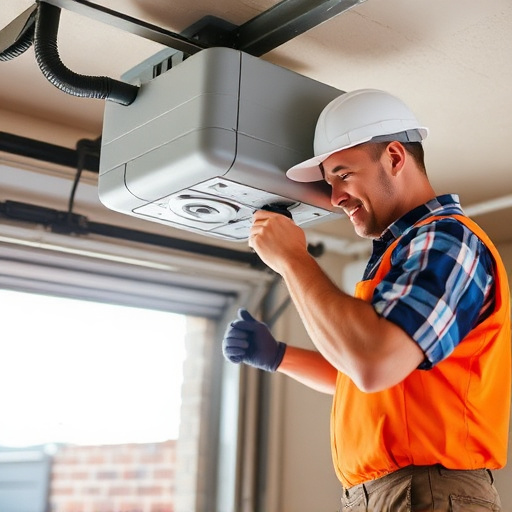
Security is a paramount concern for garage door openers. A poorly secured opener can leave your home vulnerable to break-ins, while an outdated system might lack the advanced safety features designed to protect your family. Many security issues stem from problems with remotes, keypads, and safety sensors. These components are critical for controlling access to your garage and ensuring the safety of those inside.
One common problem involves photo eyes, the sensors that ensure the garage door stops moving at the right place. If these sensors are misaligned, the door might not close completely, leaving it vulnerable to tampering. A recent study by the National Fire Protection Association (NFPA) highlighted the importance of regular photo eye inspections. A local Tucson garage door technician recommends checking these sensors at least once a year to prevent potential hazards.
Remotes and keypads are also crucial for secure access. If your remote is not working, it could be due to a simple battery issue. However, it could also indicate a more serious problem with the opener's logic board. Similarly, a keypad that isn't responding may be experiencing a faulty connection or a problem with the keypad itself. Reprogramming remotes and keypads is a common solution for these issues, but replacing the keypad or logic board may be necessary in some cases.
Another security concern involves jackshaft openers, which are often considered less secure than other types due to their mechanical design. For these systems, it's crucial to ensure the opener's limit settings are properly adjusted. Setting these limits incorrectly can allow the door to be opened or closed too far, creating a security risk. Regular maintenance, including lubricating the opener's moving parts and checking for loose connections, can help prolong the lifespan of your opener and ensure its security features are operating optimally.
Advanced Diagnostics: Enhancing Opener Security Features
Advanced Diagnostics: Enhancing Opener Security Features
As technology advances, garage door openers are no longer just mechanical devices; they're increasingly integrated with smart home systems and equipped with advanced security features. Understanding these features and how to leverage them is crucial for enhancing the overall safety and security of your home. A family run Tucson garage door business often encounters homeowners looking to upgrade their security, so we've compiled insights on using remote diagnostics to optimize these safety mechanisms.
The average lifespan of a residential garage door opener varies, but with proper care and maintenance, a belt drive opener can last 10,000 to 20,000 cycles. Regular maintenance, such as lubricating the door tracks and replacing worn-out components like belts or chains, can significantly extend this life. However, even the most well-maintained openers can exhibit issues, prompting the need for advanced troubleshooting. Remote diagnostics tools can help diagnose problems, from sensor misalignments to logic board failures, before they escalate.
One of the most valuable opener security features is the ability to reprogram remotes and set up car HomeLink programming. This feature ensures that only authorized vehicles can access your garage, enhancing the overall security of your property. Smart garage door openers often include Wi-Fi connectivity, allowing you to monitor and control your opener from anywhere using a smartphone app. This not only provides peace of mind but also enables you to adjust settings, like force settings and limit settings, to better suit your security needs.
Opener battery backup is another essential security feature, especially in areas prone to power outages. This feature ensures your garage door can still be opened and closed in case of a power failure, preventing potential safety hazards. By regularly inspecting and maintaining these security features, homeowners can rest assured that their garage doors are protected, not just by mechanical means, but also by advanced technology.
Frequently Asked Questions About Troubleshooting Remotes, Keypads, and Safety Sensors
What are the most common reasons remotes, keypads, or safety sensors stop working?
Garage door remotes, keypads, and safety sensors can fail for a variety of reasons, many easily resolved. Common culprits include dead batteries, obstructions blocking the sensor's view, loose connections, or interference from other electronic devices. If the device doesn't respond at all, try replacing the batteries first. For keypads, ensure the keypad is clean and free of debris. Safety sensors may be blocked by objects or paint, so check for these obstructions.
How do I troubleshoot a remote that isn't opening or closing the garage door?
If your remote isn't controlling the door, start by inspecting the batteries. A weak or dead battery will prevent the remote from communicating with the door opener. Replace the batteries and test again. Next, check for any obstructions in the sensor's path and ensure the remote's signal isn't blocked by large metal objects or buildings. If the problem persists, consult your owner's manual for specific troubleshooting steps or contact a local garage door service.
Why isn't my keypad working, and what can I do about it?
A non-functional keypad could indicate a low battery, so check and replace the batteries if necessary. If the keypad is still not working, try cleaning the keypad and sensors with a soft, dry cloth to remove any dust or debris. Verify that the keypad is properly connected to the garage door opener and that all wiring is secure. If the issue remains unresolved, contact Eddies Garage Door Service for professional assistance.
What should I do if a safety sensor is tripping constantly?
Safety sensors are designed to stop the door if there's an obstruction. If a sensor is constantly tripping, there's likely an object or person consistently blocking its view. Move any objects or people away from the sensor's path. Ensure the sensor is properly aligned and not blocked by paint or other markings on the garage floor. If the problem continues, consult your garage door opener's user manual or reach out to a Tucson-based garage door specialist.
Are there any safety precautions I should take when troubleshooting these devices?
Absolutely. Always unplug the garage door opener or disconnect the power supply when troubleshooting to avoid accidental door closure or personal injury. Never attempt to repair or adjust the door opener while it's powered on. Keep children and pets away from the garage door area during troubleshooting to ensure their safety.
How often should I schedule professional inspections and maintenance?
Regular maintenance is crucial for the longevity of your garage door system. It's recommended to have your garage door, including remotes, keypads, and safety sensors, inspected and serviced at least once a year by a licensed Tucson garage door company. This preventive maintenance can often catch potential issues before they become costly repairs.
As your trusted Tucson garage door service provider, we've equipped you with a comprehensive toolkit to address a wide range of common issues related to remotes, keypads, and safety sensors. By understanding the signs that indicate a need for a new opener, recognizing the differences between chain and belt openers, and learning advanced diagnostics to enhance your opener's security features, you're now better prepared to ensure the safety and functionality of your garage door system. Regularly troubleshooting these components can extend the lifespan of your garage door opener and provide added peace of mind. Next steps include reviewing local building codes and home insurance policies regarding garage door security, consulting with climate control experts to optimize performance in Tucson's unique environment, and staying informed about the latest smart home integration capabilities. Remember, a well-maintained garage door opener is a secure and efficient garage door opener.
Troubleshooting and Enhancing Garage Door Opener Security
- Remote, Keypad, and Sensor Issues:
- Remotes, keypads, and safety sensors are critical for garage door automation and security.
- Common problems include battery issues, signal obstructions, keypad malfunctions, and sensor misalignments.
- Regular maintenance and timely repairs by a professional ensure smooth operation and maximum security.
- Opener Security Features:
- Photo eyes, remotes, keypads, and jackshaft openers each have specific security concerns.
- Regular inspections, maintenance, and reprogramming can enhance security.
- Smart openers with HomeLink, Wi-Fi connectivity, and battery backup offer advanced security features.
- Practical Takeaways:
- Prioritize regular maintenance for all opener components.
- Address security issues promptly to protect your home and family.
- Leverage advanced features like HomeLink and battery backup for enhanced security.